Certification Requirements for Gaming Facilities and Their Influence on Earnings Reporting Protocols
Written by Sage Becker · Nov 18, 2026
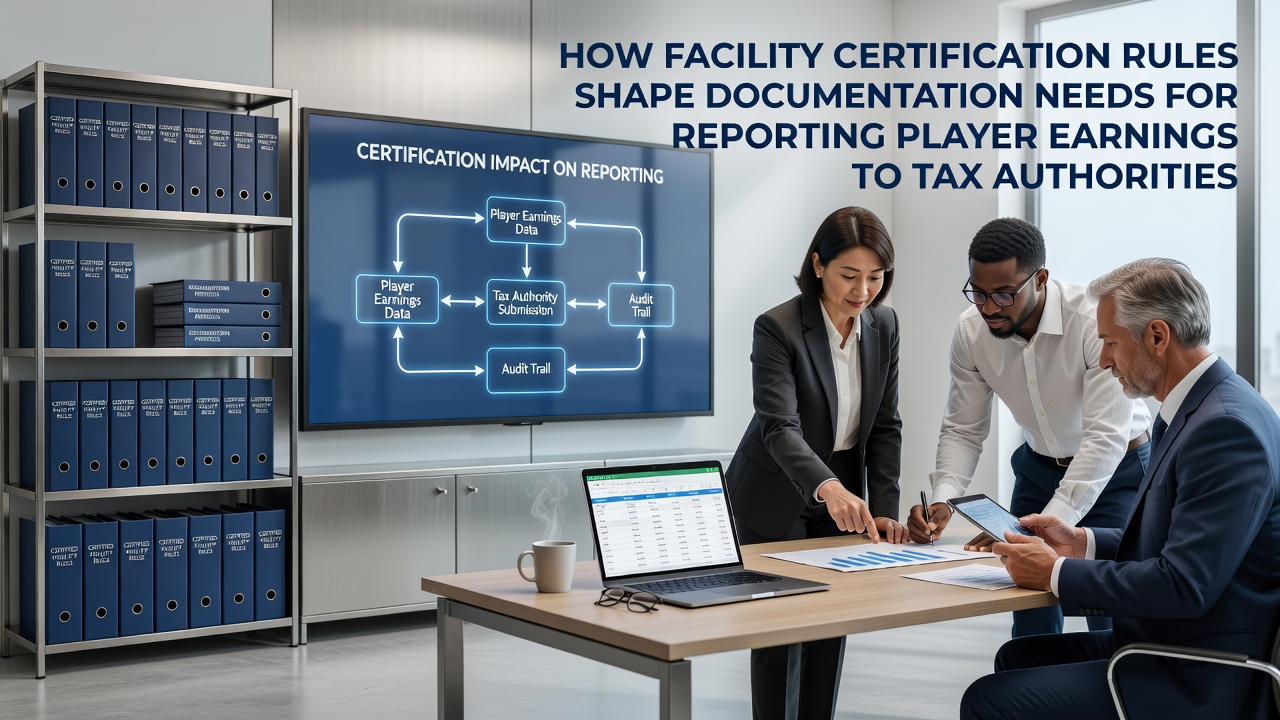
Certification Requirements for Gaming Facilities and Their Influence on Earnings Reporting Protocols
Facility certification rules establish the foundational framework that operators must follow when preparing earnings records for tax authorities, and these standards directly determine the types of documentation required to verify player winnings across various jurisdictions. Gaming facilities obtain certification through regulatory bodies that mandate detailed tracking systems, and compliance with those rules ensures operators can submit accurate reports without triggering audits or penalties.
Core Elements of Facility Certification in Gaming Operations
Certification processes typically require facilities to implement secure record-keeping systems that capture every transaction involving player earnings, while also integrating verification protocols that align with tax reporting deadlines. Regulatory agencies in the United States and Canada have outlined specific criteria for these systems, and operators must demonstrate ongoing adherence through periodic audits that examine both physical and digital documentation trails. Those who've studied multi-jurisdictional operations note that certification often hinges on the ability to produce real-time earnings data, which tax authorities then cross-reference against player identification records.
Standards vary by region yet consistently emphasize traceability, so facilities in Australia for instance follow guidelines from the Australian Taxation Office that tie certification to comprehensive logs of jackpot payouts and progressive winnings. This approach connects directly to federal tax obligations because certified facilities gain streamlined access to reporting portals that reduce errors in annual filings.
Documentation Demands Triggered by Certification Standards
Once a facility achieves certification, the required documentation expands to include player affidavits, machine calibration certificates, and timestamped payout receipts that collectively support earnings reports sent to tax agencies. Observers note that these elements must be retained for periods ranging from three to seven years depending on the jurisdiction, and digital backups often supplement paper records to satisfy both certification renewals and tax inquiries. Research from industry associations indicates that facilities with robust certification frameworks experience fewer discrepancies when submitting player earnings data because their internal controls already mirror external reporting formats.

Certification rules further shape documentation needs by requiring segregation of player earnings by game type and location, which allows tax authorities to apply correct withholding rates without additional follow-up requests. In November 2026, several North American regulators updated their certification checklists to include blockchain-based verification options, and these changes have prompted operators to revise their record-keeping software accordingly while maintaining compatibility with existing tax submission systems.
Regional Variations and Their Effects on Reporting Workflows
European gaming authorities apply certification criteria that integrate with broader financial transparency directives, so operators there compile earnings documentation that satisfies both national tax offices and cross-border compliance frameworks. Data from regulatory reviews shows that facilities operating under these rules maintain separate ledgers for charitable gaming versus commercial operations, and this separation simplifies the process of reporting taxable player earnings to multiple agencies. Experts have observed that such layered requirements reduce the likelihood of mismatched figures during annual reconciliations.
Canadian provincial bodies enforce certification through detailed facility inspections that verify the accuracy of earnings tracking equipment, and operators must then align those verified records with filings submitted to the Canada Revenue Agency. This linkage ensures player winnings above certain thresholds receive proper tax treatment without delays caused by incomplete documentation.
Practical Impacts on Operator Compliance Strategies
Operators respond to certification mandates by training staff on documentation protocols that feed directly into tax reporting cycles, and many adopt automated systems that flag discrepancies before submissions reach authorities. Studies conducted by university research teams have demonstrated that certified facilities maintain higher compliance rates because their certification audits already enforce the same standards tax agencies expect during reviews. What's interesting is how these overlapping requirements create efficiencies once initial setup costs are absorbed, allowing operators to redirect resources toward player engagement rather than repeated record corrections.
Facilities that coordinate certification efforts across multiple sites often develop centralized databases that standardize earnings documentation formats, and this practice supports smoother interactions with tax authorities in different states or provinces. The reality is that certification serves as both a gatekeeper and a guide for the precise documentation needed to report player earnings accurately.
Conclusion
Facility certification rules continue to define the scope and format of documentation required for reporting player earnings to tax authorities, and operators who align their systems with these rules achieve greater consistency in their compliance efforts. Regulatory updates scheduled for late 2026 will likely introduce further refinements to verification methods, yet the core connection between certification and tax documentation remains unchanged across examined jurisdictions.