Shifting Standards: How State Variations in Player Age Rules and Online Access Shape Federal Compliance Efforts for Gaming Operators
Written by Devon Weber · Aug 26, 2026
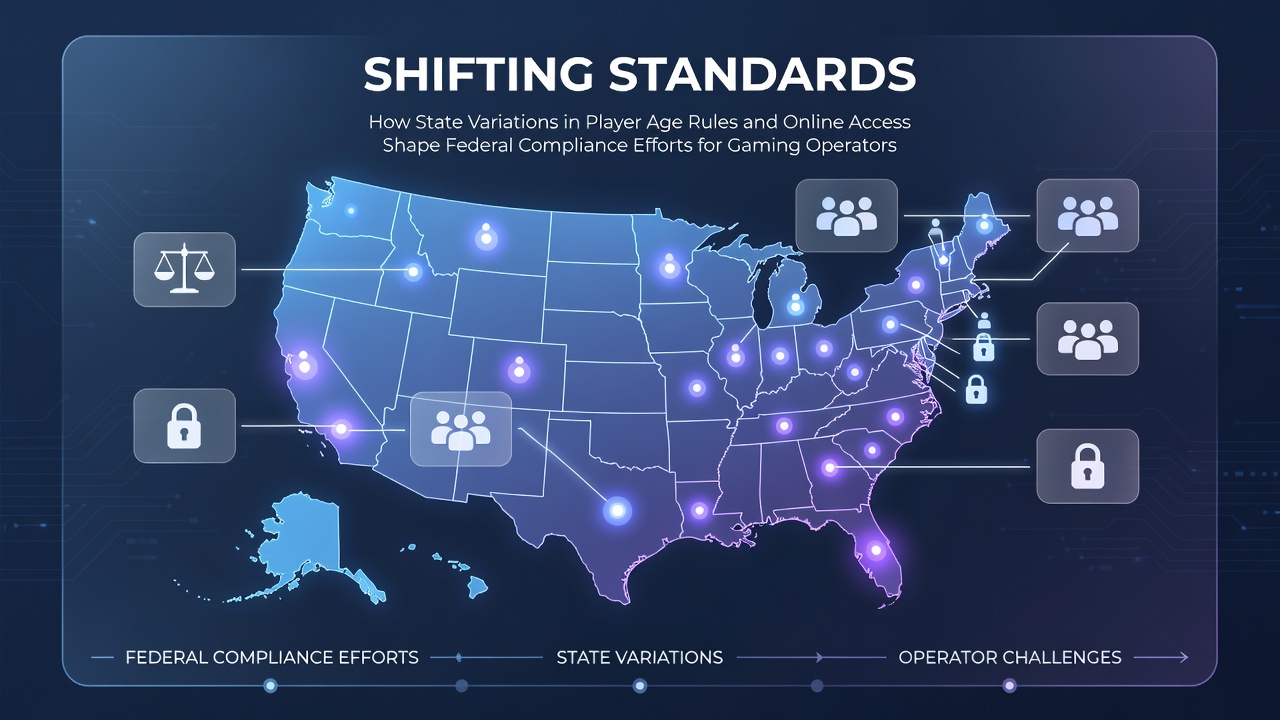
Shifting Standards: How State Variations in Player Age Rules and Online Access Shape Federal Compliance Efforts for Gaming Operators
State-level differences in minimum player ages and rules governing online access create a complex environment that gaming operators must address when aligning operations with federal standards, and observers note how these variations require detailed tracking systems plus real-time adjustments to verification processes.
Experts have documented that while certain jurisdictions set the threshold at twenty-one for all forms of gambling including digital platforms, others allow participation at eighteen especially for lottery-style games or charitable operations, and this split forces operators to implement segmented user databases that flag accounts according to location and product type.
Age Threshold Variations Across Jurisdictions
Research from regulatory tracking organizations shows that more than a dozen states maintain an eighteen-plus rule for online lottery sales whereas casino-style offerings and sports wagering typically require twenty-one, and those who've studied compliance records find that operators often maintain separate age gates within the same platform to avoid cross-contamination of user pools.
But here's the thing: federal statutes such as the Unlawful Internet Gambling Enforcement Act do not prescribe a uniform national age, which leaves enforcement to state attorneys general and banking regulators who examine whether operators applied the correct threshold for each transaction, and data from multi-state audits reveal frequent mismatches when players cross borders during sessions.
Online Access Rules and Geo-Location Challenges
Operators face additional layers of complexity because some states permit online access only through in-state servers while others allow limited interstate compacts, and those who've examined technical logs observe that geo-fencing software must update daily to reflect new legislation or court rulings on tribal compacts.
According to reports issued by the American Gaming Association, states that expanded online offerings after 2023 introduced mandatory identity verification intervals ranging from thirty to ninety days, and this requirement intersects with federal anti-money laundering expectations that demand consistent record-keeping across all access points.
Federal Compliance Pressures in August 2026
As of August 2026 several states have enacted or proposed adjustments to online age verification standards that directly affect how operators synchronize their systems with federal banking partner requirements, and compliance teams report allocating additional resources to monitor these changes because even minor shifts can trigger federal examination triggers under existing guidance from the Department of the Treasury.
Studies conducted by university research centers focused on regulatory policy indicate that operators with footprints in both eighteen-plus and twenty-one-plus states experience higher audit frequency, and figures reveal that companies maintaining unified age policies across all markets reduce discrepancies by up to forty percent compared with those using fragmented approaches.
What's interesting is the way federal examiners now cross-reference state licensing data with transaction records from payment processors, and people who've reviewed enforcement actions note that failures to apply the strictest applicable age rule in a given location often result in consent orders requiring enhanced monitoring rather than immediate penalties.
Technical and Operational Adaptations
Gaming operators have responded by deploying modular verification platforms that pull real-time regulatory feeds from each licensed jurisdiction, and those who've implemented these tools find they can adjust age prompts within hours of a statutory change while preserving audit trails that satisfy both state and federal reviewers.
Yet coordination challenges persist because some states still rely on paper-based licensing updates that lag behind digital policy announcements, and observers note how this timing gap creates windows where operators must decide whether to pause access or apply conservative defaults until official confirmation arrives.
Conclusion
The interplay between state-specific age rules, online access restrictions, and federal oversight continues to evolve as new legislation emerges, and data collected through 2026 shows that operators investing in flexible compliance architectures experience fewer interruptions when jurisdictions update their standards. Organizations that maintain centralized policy repositories and automated alert systems demonstrate clearer alignment with expectations from federal banking regulators while accommodating the patchwork of state requirements that define the current landscape.